
Categories
Homeowners, Seller TipsPublished November 13, 2026
Why the Highest Offer Isn't Always the Best Offer

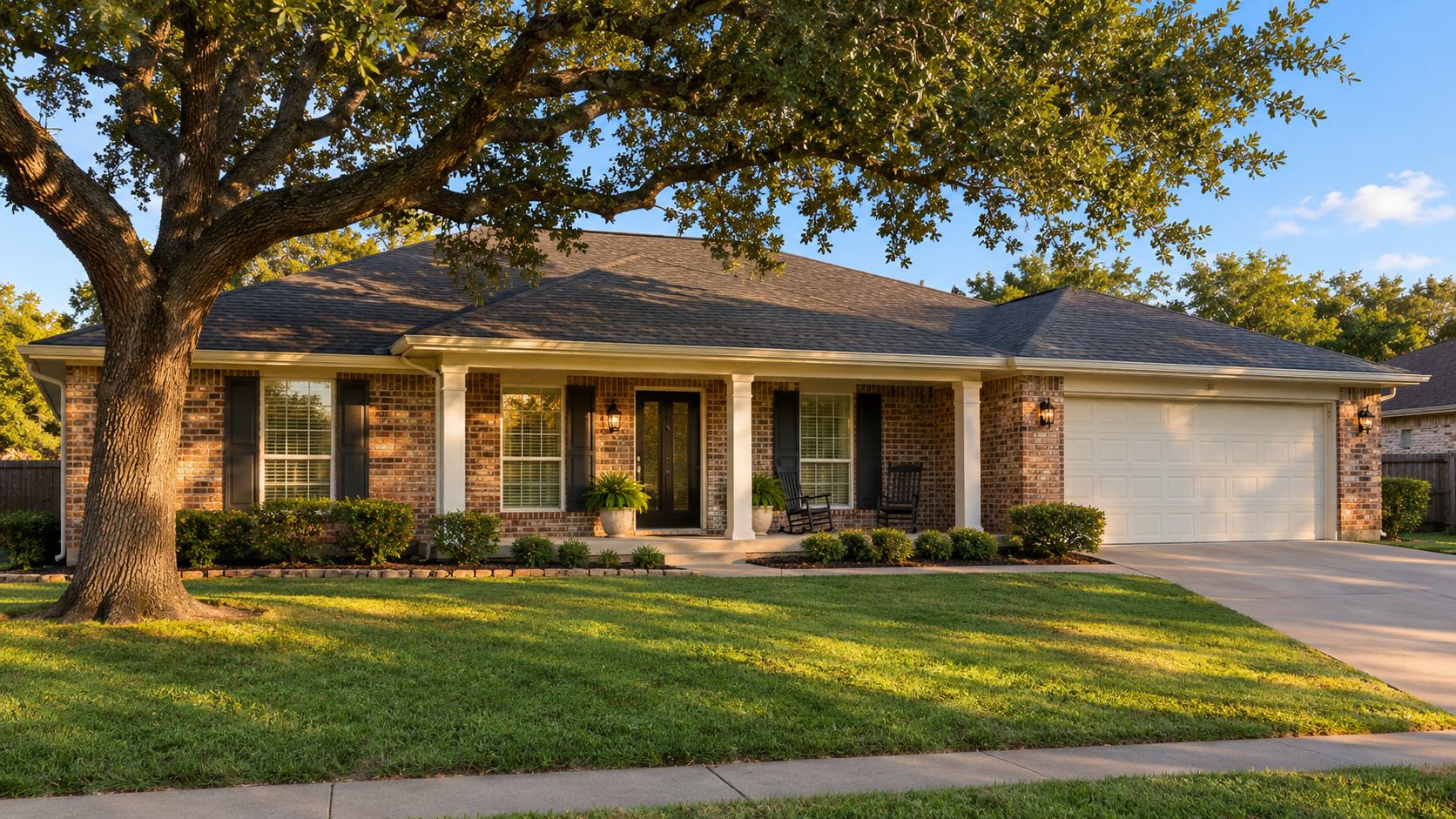
Why the Best Offer When Selling a Home Isn't Always the Highest One
If you have several offers on your house in Denton or Prosper, it is natural to look at the biggest number first. But the best offer when selling a home is the one that is most likely to close and leaves you with the most money in hand. Those two things don't always match the headline price.
This article walks through what to compare, so you can make a decision based on the full picture rather than one line on a contract.
Price Is Only One Part of What You Net
Your net proceeds are what remains after the sale price is adjusted for everything else in the deal. That can include seller-paid closing costs, repair credits, and the cost of a delay if the sale falls through and you have to start over.
A offer that is slightly lower on paper but has fewer conditions can put you in a better position than a higher offer loaded with requests. The simplest way to see this is to line up each offer side by side and compare the total terms, not just the price.
Financing Type and Closing Risk
How a buyer pays affects how confident you can be that the sale will close. Each type has its own strengths and things to watch:

- Cash: Usually the fewest moving parts, since there is no lender and no loan approval. Ask for proof of funds.
- Conventional: Common and often smooth when the buyer is well qualified. Look for a strong pre-approval letter from a lender, not just a pre-qualification.
- FHA: Can work well, but the loan has specific property condition standards and appraisal requirements that may lead to more back and forth.
- VA: Also has property requirements and its own process. Many VA sales close without trouble, but timing and repairs deserve a close look.
None of these is automatically good or bad. What matters is how strong the buyer's approval is and how well the terms fit your home. Your listing agent can often speak with the buyer's lender to confirm where things stand.
Appraisal Gaps: Who Covers the Difference?
A lender will not loan more than a home appraises for. If the appraised value comes in below the contract price, there is an appraisal gap.
Some buyers agree up front to cover part or all of that gap. Others do not. If the contract is silent, the gap can lead to a renegotiation, a price reduction, or a canceled sale. When you compare offers, check whether the contract spells out who pays the difference and how much the buyer is committing to. A high price with no gap plan carries more risk than it may appear.
Ask your agent for current local information on how appraisals have been coming in compared to contract prices in your area.
Earnest Money and How Fast It Goes Nonrefundable
Earnest money is a deposit that shows a buyer is serious. Two details are worth reading closely:

- The amount. A larger deposit generally signals stronger commitment.
- The timeline. Many contracts let a buyer back out for a set period and still get the deposit back. The sooner it becomes nonrefundable, the more secure you may be.
Your agent can explain how these terms work in your contract and what happens to the deposit if a buyer defaults. For legal questions about the contract, a real estate attorney or title company is a good resource.
Inspections, Repairs, and Timing
Almost every sale includes an inspection, and what happens next can change your final price. A buyer may ask for repairs, a credit, or a price cut.
When you compare offers, look at:
- How long the buyer has for the inspection period
- Whether the buyer is likely to request major repairs or has signaled flexibility
- How quickly repair requests must be submitted and answered
A short, clear timeline keeps the sale moving. A long, open-ended one leaves more room for surprises. Homes in Prosper and Celina, including newer construction, and older homes in Denton can each raise different questions, so ask your agent what to expect for your specific property.
Closing Date and Seller Concessions
The closing date matters if you are buying another home, moving for work, or simply want certainty. A faster close is not always better, and a longer one is not always a problem. What counts is whether the date fits your plans.
Also look for requested seller concessions, such as paying part of the buyer's closing costs. A $5,000 request, for example, reduces your net by $5,000 no matter how high the price looks. Subtract every concession before comparing offers.
Ask for a Written Walkthrough of Every Offer
Before you decide, ask your listing agent to go through each offer in writing. A good summary should show the price, financing type, deposit, appraisal terms, inspection timeline, closing date, and requested concessions, along with your estimated net proceeds for each one.
Seeing it on paper makes the choice clearer and keeps the decision grounded in facts. For tax or financial questions about your sale, consider speaking with a tax professional or financial advisor.
Making a Confident Choice
The offer that looks best at first glance may not be the one that gets you to the closing table smoothly. Taking the time to compare terms can help you choose the offer that fits your goals and your timeline.

If you are thinking about selling in Denton, Prosper, Celina, or nearby, reach out to Homestead Realty Group for a no-pressure conversation about your next move.
This article is general information, not legal, tax, or financial advice. Please consult the appropriate professional for your situation.

Scott Wandell
| Homestead Realty Group | Scott Wandell | eXp Realty
or another way